

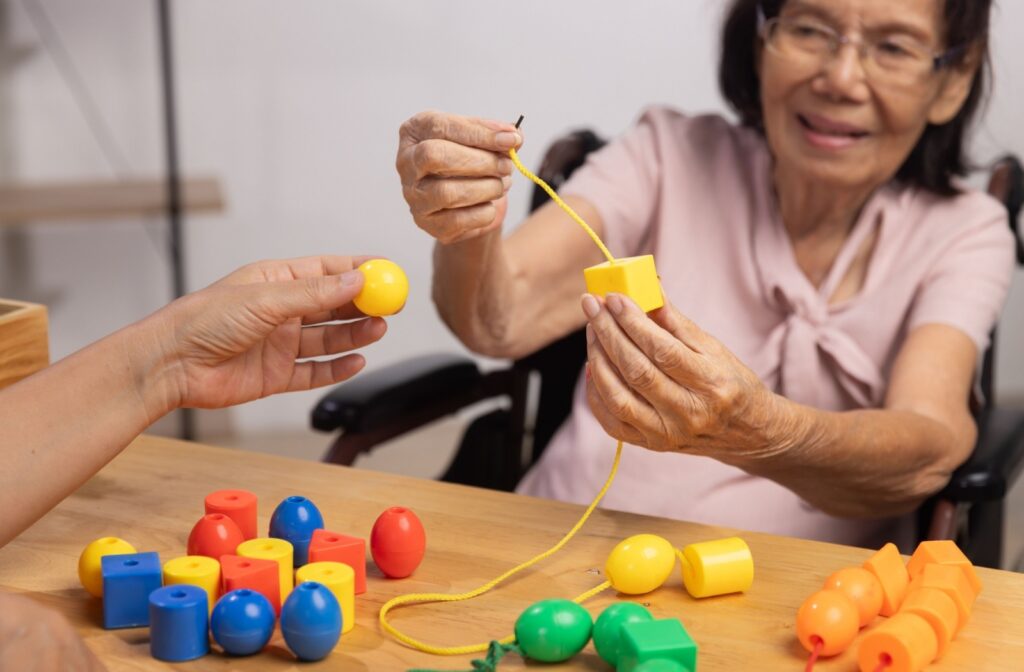
Key Takeaways
- Brain-stimulating activities strengthen neural pathways and improve memory retention.
- Mental exercises boost focus, problem-solving abilities, and learning capacity.
- Individual puzzles, social games, and creative pursuits all support cognitive wellness.
- Starting with 15-20 minutes daily can make a meaningful difference in mental sharpness.
How Brain Activities Can Transform Mental Sharpness
The brain craves challenge and engagement just like muscles need exercise to stay strong. When someone regularly participates in activities that require thinking, problem-solving, and focus, they’re giving their mind the workout it needs to stay sharp and alert. Arcadia at Limerick Pointe understands how cognitive wellness supports independence and quality of life in senior living.
Brain-stimulating activities can help maintain and even improve cognitive function through regular mental exercise that strengthens neural connections and supports overall brain health.
These activities range from simple daily puzzles to engaging social interactions that keep the mind active and engaged. Research shows that therapeutic activities can support both cognitive and emotional well-being.
What Are Brain-Stimulating Activities?
Brain-stimulating activities are mental exercises that challenge different aspects of cognitive function. Think of them as gym workouts for the mind. They require thinking, analyzing, and processing information in ways that keep the brain engaged and active.
These activities include anything that requires focus and problem-solving skills, from completing a crossword puzzle to learning a new hobby. Social and creative pursuits also provide powerful brain engagement, combining mental stimulation with the added benefits of human connection and self-expression. Reading books provides multiple health benefits, including strengthening brain function and building vocabulary.
How These Activities Support Cognitive Health
Memory and Learning Benefits
When someone regularly challenges their brain with stimulating activities, they strengthen the neural pathways that help with memory formation and recall. Just like walking the same path through grass eventually creates a clear trail, repeated mental exercises create stronger connections in the brain.
These stronger pathways improve the ability to retain new information and recall details from the past. Someone might notice it becomes easier to remember names, follow complex storylines in books, or learn new skills that interest them. Evidence-based strategies for maintaining cognitive health include staying mentally engaged through challenging activities.
Mental Processing and Focus
Brain activities help sharpen attention span and concentration abilities. When someone works on a challenging puzzle or engages in strategic thinking during a card game, they’re training their mind to focus for extended periods.
This practice boosts problem-solving abilities and helps maintain the mental agility that keeps thinking quick and flexible. It becomes easier to adapt to new situations and think through complex decisions in daily life. Brain games, combined with a healthy lifestyle, may help support memory and cognitive function.
Types of Brain-Stimulating Activities to Try
Individual Mental Exercises
Puzzles, crosswords, and brain games provide structured mental challenges that someone can enjoy at their own pace. These activities help people work through problems methodically while building concentration and pattern-recognition skills.
Reading books and exploring new topics expose the brain to fresh information and different perspectives. Writing, journaling, and other forms of creative expression combine memory recall with imaginative thinking, giving the brain a well-rounded workout. Music therapy uses music to improve seniors’ mental, emotional, physical, and social well-being through engaging activities.
Social and Interactive Activities
Group discussions and book clubs combine mental stimulation with social connection. When someone shares ideas and listens to different viewpoints, they’re exercising multiple cognitive skills while enjoying meaningful relationships.
Card games and board games offer opportunities for strategic thinking in a fun, interactive setting. Teaching skills to others requires organizing information clearly and adapting communication style, providing excellent mental exercise. Research shows people are happier when they have more social interactions, especially deeper conversations with people they know well.
Making Brain Activities Part of a Daily Routine
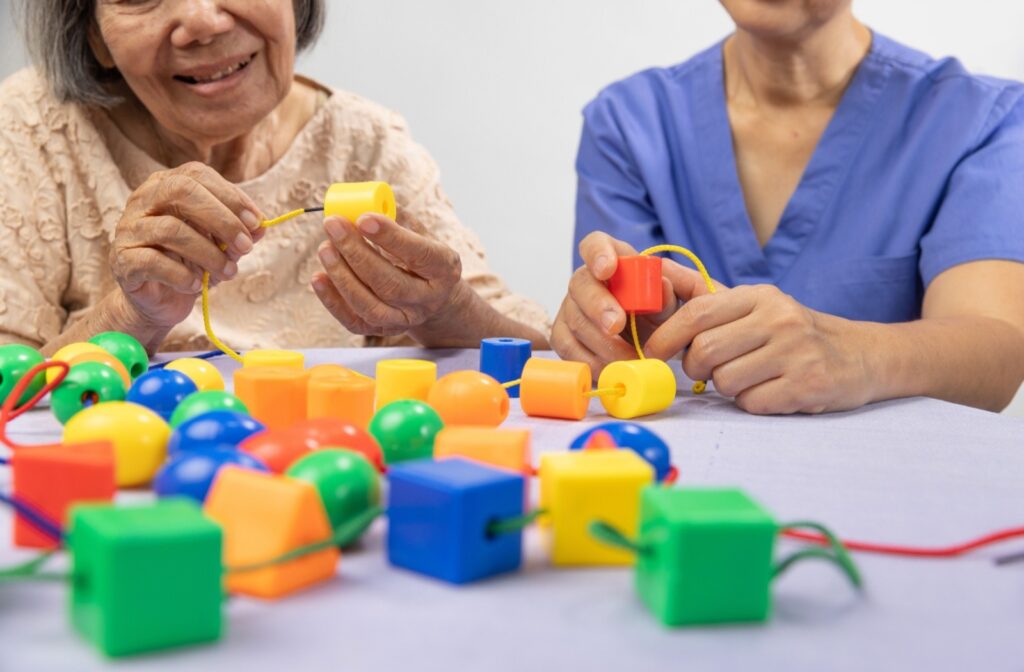
Someone doesn’t need to dedicate hours each day to see benefits from brain-stimulating activities. Starting with just 15-20 minutes of daily mental exercise can help build a sustainable routine that fits lifestyle and interests.
Mix different types of activities to keep things interesting and challenge various aspects of cognitive function. Choose activities that are genuinely enjoyable. When someone looks forward to their brain exercises, they’re more likely to stick with them over the long term and experience lasting benefits. Friendships in senior years are important for health, happiness, and longevity, making social brain activities doubly beneficial.
Discover Cognitive Wellness at Arcadia at Limerick Pointe
At Arcadia at Limerick Pointe, residents have access to structured programs designed to support cognitive wellness in a warm, family-owned community setting. Our team leads guided activities and creates opportunities for both individual mental exercises and social brain games.
Whether you’re interested in independent living with engaging activities, a loved one could use personal care, or your family is exploring The Compass Memory Care, we offer programs tailored to individual interests and needs. Contact us today to learn more about how our community supports cognitive health and overall wellness for seniors throughout the Limerick area.